When it comes to managing our water resources, the divide between potable and non-potable water is critical. You might be wondering, “What’s the big deal about non-potable water in wastewater treatment systems?” Well, despite not being suitable for direct human consumption, non-potable water plays a significant role in our daily lives and the broader environment. So, let’s walk through this topic, breaking down the complex processes involved, the risks, and the multitude of treatment methods.
What’s the Big Deal about Non-Potable Water?
Simply put, non-potable water isn’t safe for people to guzzle down or use in cooking. This is due to the potential presence of contaminants, including organic and inorganic materials, harmful bacteria, and other microscopic pathogens. However, this doesn’t mean the end of its usefulness! Non-potable water is routinely deployed for a variety of purposes such as irrigation, fire suppression, and industrial cooling, which diversifies our water supply use.
But here’s the thing: before we can utilize this water for non-drinking purposes, it must be treated. The thrust of the matter is, we can’t afford to overlook the potential risks associated with poorly treated non-potable water, which could lead to environmental damage, along with health hazards for both people and animals.
Now, don’t you think the proper treatment of non-potable water is vital? That’s where wastewater treatment systems come in, working tirelessly to ensure that this water is safe for its intended uses.
Inside the Wastewater Treatment Systems
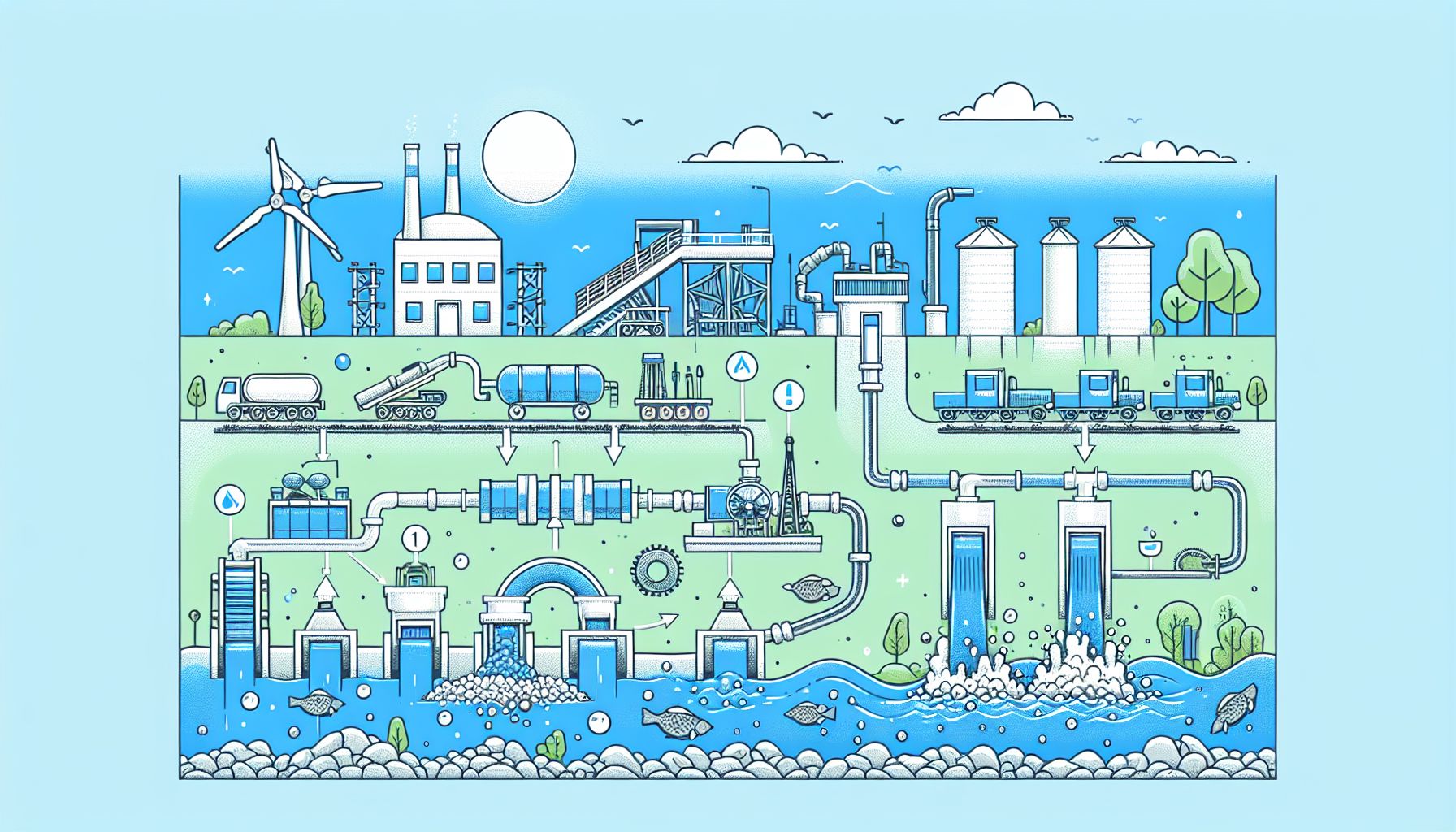
Wastewater treatment systems are like busy, industrial-scale cleaners filtering and processing water that has been used in households, industries, and municipalities. After an initial screening process to remove large debris, the journey of the so-called “dirty” water begins.
A key pitstop in this process is the primary treatment stage, where sedimentation tanks are used to allow solid particles to settle at the bottom. What’s left is mainly liquid, but don’t be deceived – there’s still a fair amount of work to be done!
The secondary treatment stage employs biological processes to eliminate dissolved organic matter. For added detail, it leverages beneficial bacteria known as Activated Sludge which feeds on organic waste in the water, substantially reducing the level of harmful pollutants.
In the analysis and study of non-potable water in wastewater treatment, it’s identified that tertiary treatment is utilized for further purification. This phase can involve a variety of processes, including filtration, UV disinfection, and chlorination to ensure the water meets the standards for its intended use.
Even though this seems like a conclusion point, we can’t ignore the possibility of additional treatment. Advanced or quaternary treatment, though not always required, may involve processes to remove specific contaminants, such as nutrients or toxic compounds.
So, can you see? Wastewater treatment systems are not a one-size-fits-all operation but rather an intricate ballet of physical, chemical and biological methods, designed to ensure non-potable water is safe for intended purposes.
Risks and Challenges
Treating non-potable water isn’t without its challenges. For instance, filtering out potent pharmaceutical residues that resist traditional wastewater treatment techniques poses a challenge. Likewise, the ubiquitous microplastics, though minute, are a huge headache for wastewater treatment systems. There’s also the matter of controlling the release of greenhouse gases during the treatment process.
The World Health Organization (WHO) has set guidelines to limit the health risks associated with non-potable reuse such as adopting risk assessment methods, setting performance targets for wastewater treatment, and developing ongoing monitoring systems. This provides a safety net, ensuring that the treated non-potable water is safe for its proposed uses.
Future Outlook
The future of non-potable water in wastewater treatment systems looks promising, marked by continual improvement and innovation. Advanced treatment technologies like osmosis membranes and nano filtration are making a splash. There is also an increased focus on energy-efficient wastewater treatment processes, with some plants even generating their power!
The Last Word
The science behind treating non-potable water in wastewater systems is truly fascinating – a fine balance of complex processes to ensure every drop of water can serve a purpose, safely. Yes, there are challenges, yet the way forward is marked by progressive solutions and innovations that make it a continually evolving field.
So, the next time you see that sprinkler nourishing a public garden or watch a cooling tower at work, consider the remarkable journey the non-potable water has been through, courtesy of our underrated wastewater treatment systems. After all, in the world of water management, no drop should go to waste.